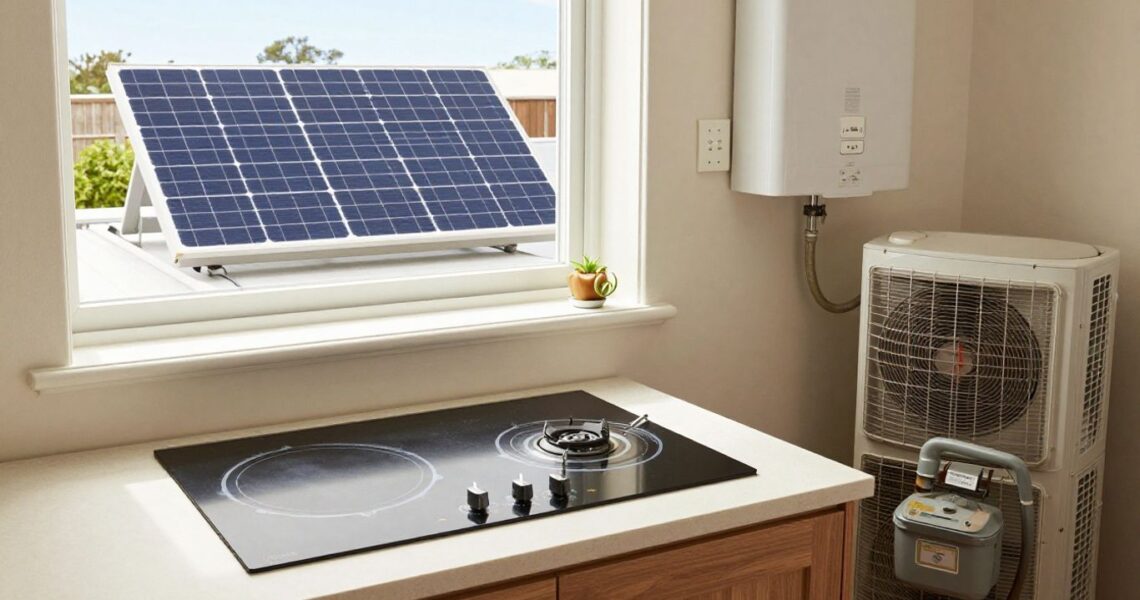
Gas to electric costs: What it really takes to trade gas bills for electric ones
September 19, 2026Key Takeaways
Gas to electric costs depend on more than the price shown on a utility bill. The appliance, tariff, installation work and household habits all matter.
- Gas and electricity are billed in different units, so headline rates are not directly comparable.
- Upfront electrical work can be as significant as the price of the new appliance.
- Heat pumps may change the running-cost equation, while simple electric resistance heating can be expensive.
- Tariffs, connection charges, maintenance and seasonal demand can quietly reshape the result.
- A staged upgrade, based on actual household usage, is often easier to assess than a whole-home switch.
The real price difference between gas and electricity
A gas bill and an electricity bill measure energy in different ways, which makes a quick comparison surprisingly slippery. The cheapest unit is not automatically the cheapest way to heat water, warm a room or cook dinner. A useful comparison considers the energy delivered, the appliance efficiency and the tariff behind it. That is where gas to electric costs become a household question rather than a slogan.
How utility rates are calculated
Gas is commonly charged by a volume or heat unit, while electricity is charged in kilowatt-hours. Each bill may also include a fixed supply charge, taxes or other regulated fees. The usage rate is only one line in the total, although it tends to receive all the attention.
A household should record both the unit price and the fixed charges before comparing providers or fuels. The same appliance can produce a different monthly result under a different tariff, even when its energy use has not changed.
Why energy prices vary by location and season
Energy prices vary between regions because networks, regulation, supply arrangements and local demand are not identical. Seasonal weather also changes how much energy a household uses, particularly for space heating and cooling. A mild month can make almost any system look wonderfully cheap.
The fairer approach is to compare a full year, or at least a representative warm and cool period. A household in a cold area may care more about winter electricity rates and heat-pump performance than a household that rarely heats its rooms.
Comparing cost per unit of usable energy
The useful comparison is not gas against electricity in the abstract. It is the cost of the heat or work an appliance actually provides after efficiency losses. A high-efficiency appliance can make a dearer energy source more competitive, while a basic resistance appliance may turn inexpensive equipment into an expensive long-term choice.
This calculation needs the appliance’s energy input, its efficiency information and the relevant tariff. Manufacturer figures can provide a starting point, but real homes are untidy laboratories: doors open, showers run longer and nobody cooks according to the label.
The difference between a lower rate and a lower bill
A lower rate does not guarantee a lower bill if the new appliance uses more energy or if the household uses it differently. Electricity may also carry higher fixed charges in some areas, while gas accounts can include supply fees even when consumption is modest. The bill is the whole picture, not the appealing number in a comparison table.
That is why a proper estimate separates daily usage from fixed costs. It also allows for the possibility that electrification improves efficiency and comfort without producing immediate monthly savings.
The upfront costs of switching from gas to electric
Switching fuels usually starts with a purchase, but it rarely ends there. Removal, disposal, wiring, ventilation changes, permits and labour can all affect the first invoice. Some homes are simple to convert; others reveal their complications as soon as a tradesperson opens the cupboard.
Replacing gas appliances with electric models
The replacement appliance is the most visible cost. A basic electric model may have a modest purchase price, while a heat-pump water heater or induction cooktop may cost more at the outset but use energy differently over time.
The existing installation matters too. A new appliance may need a different location, a larger circuit or changes to plumbing and cabinetry. Asking for an itemised quote helps separate the appliance from the work required to make it function safely.
Electrical panel upgrades and wiring changes
Some homes have enough electrical capacity for one replacement appliance, but not for several high-load appliances operating together. A switchboard assessment can identify whether new circuits, cabling or other electrical work is required.
That assessment should happen before an appliance is ordered. Otherwise, a household may buy a shiny new machine and discover that the less shiny electrical work costs extra.
Permits, labour, and installation fees
Installation is not a minor footnote. Qualified tradespeople may need to disconnect gas equipment, alter plumbing, install a circuit, test the system and remove the old unit. Local approval requirements can also affect timing and price.
Quotes should state what is included, including disposal, commissioning and any follow-up visit. Comparing only the shelf price is a reliable way to make a conversion look cheaper than it is.
Rebates, tax credits, and other incentives
Government and utility incentives can reduce the upfront cost of eligible equipment, but eligibility rules vary and may change. Some programmes apply only to particular technologies, income groups, regions or installation standards.
A household should confirm the conditions before assuming a rebate will arrive. The advertised incentive may require an approved installer, an application before work begins or evidence that an old appliance was removed.
How gas to electric costs vary by appliance
There is no single conversion price because appliances perform very different jobs. Replacing a water heater is a different project from replacing a cooker, and replacing a furnace can involve changes to the whole heating system. The most sensible order depends on age, condition, energy use and the cost of the surrounding work.
Water heaters and heat-pump alternatives
Water heating can be a useful place to compare technologies because it often runs throughout the year. A heat-pump water heater moves heat rather than creating all of it directly, but it may need suitable outdoor space, drainage and electrical work.
The quote should include the tank or unit, plumbing alterations, electrical connection and removal of the old heater. Running costs also depend on household hot-water habits and the temperature settings used.
Furnaces versus electric heat pumps
A gas furnace and an electric heat pump deliver heat in different ways. A heat pump can also provide cooling, which may reduce the need for a separate system, but its performance and running cost depend on climate, controls and installation quality.
The comparison should include the full heating season rather than a single cold day. Insulation, draughts and thermostat settings can matter as much as the fuel choice, because an inefficient home asks more of any heating system.
Gas stoves versus induction cooktops
Cooking is often a smaller part of household energy use than space heating or hot water, so the financial payback may be slower. Induction cooktops can require compatible cookware and an electrical circuit suited to the unit’s load.
The decision may therefore rest on a mixture of cost, cleaning, indoor air quality and cooking preference. A like-for-like financial comparison should include installation and any benchtop changes, not just the cooktop price.
Dryers, fireplaces, and smaller appliances
Individual appliances can be straightforward to change, but their savings may be too small to justify replacing a working model early. A gas dryer or fireplace may also have ventilation, flue or connection requirements that complicate removal.
For a staged project, households often begin with equipment that is old, frequently used or due for replacement. A short list of priorities keeps the work focused:
- Replace an appliance near the end of its service life.
- Start with equipment that uses substantial energy over the year.
- Check electrical capacity before choosing a high-load model.
- Include installation and disposal in the comparison.
This approach does not promise the lowest possible bill, but it reduces the chance of paying twice for rushed decisions. Small appliances can wait until their natural replacement point.
Estimating your household’s ongoing energy bills
A credible estimate begins with the household’s own bills rather than a generic annual figure. Usage patterns, weather, occupancy and appliance condition all leave fingerprints in the data. The aim is not false precision; it is a sensible range that can be tested against real bills later.
Gathering usage data from past utility bills
Collect at least several bills for gas and electricity, noting the billing period, consumption, supply charges and tariff structure. If a home has recently changed occupants or insulation, older figures may need cautious interpretation.
Separate seasonal usage where possible. A winter gas spike may be mostly heating, while a steady year-round pattern may point more towards hot water or cooking.
Accounting for appliance efficiency
The appliance’s input rating is not the same as the useful output. Efficiency, controls, cycling and standby use all influence consumption. Heat pumps add another layer because their performance can vary with outdoor conditions.
A practical estimate uses the manufacturer’s operating information as a guide, then adds a margin for household behaviour. It is better to be approximately right than impressively precise and wrong.
Building a realistic seasonal cost estimate
Seasonal modelling makes the comparison easier to understand. The table below is a planning framework, not a promise of particular savings or a substitute for local tariff information.
| Cost area | What to record | Why it matters |
|---|---|---|
| Gas usage | Units used in warm and cool periods | Shows which appliances drive demand |
| Electricity usage | Kilowatt-hours by billing period | Reveals existing seasonal patterns |
| Fixed charges | Supply and service fees | Captures costs that remain after switching |
| New equipment | Rated use and expected operating pattern | Links the appliance to a bill estimate |
After filling in the framework, the household can compare a low-use, typical-use and high-use scenario. That range is more honest than presenting one magical annual number, especially when weather and tariffs are uncertain.
Factoring in maintenance and repair expenses
Running costs include more than energy. Servicing, filters, repairs, replacement parts and eventual disposal can change the ownership cost over time. A newer system may reduce repairs for a while, but no appliance is immortal; even the most dignified machine eventually makes a strange noise.
The estimate should consider both routine maintenance and the possibility of a major repair. Keeping records of existing repair bills can help show whether replacement is being driven by economics, reliability or simple frustration.
Hidden costs and savings that are easy to miss
The obvious comparison is fuel used, but household energy costs have supporting characters. Tariff structures, connection fees, weather performance and property considerations can all change the result. Some benefits, such as improved indoor air quality, may matter even when they are difficult to express as a monthly saving.
Demand charges and time-of-use electricity rates
Some electricity plans charge different rates at different times, and some settings may include demand-related charges. A household that operates several high-load appliances together could see a different bill from one that spreads use across the day.
Before switching, the household should check the actual tariff rather than assume all kilowatt-hours cost the same. Timers, controls and changed usage habits may help, but only if they suit the household’s routine.
Gas connection fees and service charges
Keeping a gas connection for one rarely used appliance can mean continuing to pay a fixed supply charge. Removing the final gas appliance may avoid that charge, although disconnection work and local rules need to be checked first.
The saving is therefore not simply the gas consumed by the last appliance. It may include the cost of maintaining access to the network, balanced against any fee for ending the connection.
Backup power and cold-weather performance
An electric home may need a plan for outages, particularly where heating, hot water and cooking all depend on electricity. Backup equipment can add cost, and its installation may require its own assessment.
Cold weather also deserves a realistic discussion. Heat pumps can operate in cool conditions, but the home, system design and controls affect comfort and energy use. A quote that ignores the local climate is missing a fairly large part of the story.
Emissions, indoor air quality, and resale value
Financial calculations do not capture every reason to change appliances. Removing combustion from living spaces may affect indoor air quality, while a well-designed electric system may be attractive to future buyers. Those benefits are real considerations, but their value varies from one household and property to another.
A buyer may also care about operating costs, insulation and the condition of the electrical system. None of these points guarantees a higher resale price, so they belong in the broader decision rather than a promised return.
How to decide whether switching makes financial sense
The right decision is usually a comparison of options, not a verdict on one fuel. A household can weigh purchase cost, installation, expected bills, maintenance and the timing of replacement. It can also decide that comfort, air quality or emissions matter even if the payback is modest.
When electrification is likely to pay off
Electrification is more likely to make financial sense when an old appliance is due for replacement, the electrical work is limited and the new system is efficient. It may also be attractive where electricity tariffs are favourable or where one system can perform several jobs.
The case becomes stronger when the household can use its own solar generation or avoid ongoing gas connection charges, although those benefits need to be calculated rather than assumed. A planned replacement is generally less painful than an emergency conversion on a chilly evening.
When keeping gas may cost less
Keeping a functioning gas appliance may cost less in the short term when replacement requires major wiring, switchboard work or structural changes. A low-use appliance may never save enough on energy to recover its installation cost.
That does not make staying with gas a permanent decision. It may simply mean waiting until the appliance reaches the end of its useful life, then comparing the choices with current prices and available incentives.
A practical break-even calculation
A simple break-even estimate compares the extra upfront cost with the expected annual saving. First, calculate the difference between the complete installed prices. Then estimate the difference in annual energy, fixed charges and maintenance costs.
Divide the upfront difference by the expected annual saving to get a rough payback period. If the annual result is a cost increase rather than a saving, there is no simple energy payback; the household is choosing the change for other reasons.
How to phase in upgrades without blowing the budget
A staged plan can reduce disruption and make each decision testable. The household can begin with the appliance that is failing or consuming the most energy, then revisit the next project after seeing actual bills.
A sensible sequence might be:
- Gather a year of bills and identify the largest energy uses.
- Obtain itemised quotes before selecting equipment.
- Check electrical capacity and available incentives.
- Replace one priority appliance and monitor results.
After that first step, the household has better information for the next one. It may discover that the expected savings are real, modest or not worth pursuing, all of which is more useful than relying on a glossy estimate.
Conclusion
Gas to electric costs are best understood as a whole-house calculation: tariffs, appliance efficiency, installation, maintenance and household habits all belong in the same conversation. A careful estimate can show where electrification is likely to pay off, where patience is cheaper and which non-financial benefits matter to the household. The strongest plan is usually the one grounded in actual bills and completed in manageable stages.
Frequently Asked Questions
Is electricity always more expensive than gas?
No. The answer depends on local tariffs, appliance efficiency, usage patterns, fixed charges and the amount of useful heat or work produced. A direct comparison of headline unit prices can be misleading.
What is the biggest upfront cost when switching?
It may be the replacement appliance, but electrical upgrades, plumbing changes, labour and permits can be equally significant. An itemised quote gives a clearer picture than the appliance price alone.
Are heat pumps cheaper to run than electric resistance heaters?
They can be, because they move heat rather than creating all of it directly. Actual results depend on the model, climate, controls, insulation, tariff and how the household operates the system.
Should a household replace every gas appliance at once?
Not necessarily. A staged approach can spread the cost and allow the household to learn from actual bills. Appliances near the end of their useful life are often the most practical starting points.
Do fixed gas charges continue if gas use is very low?
They may. Some accounts include supply or service charges that apply even when consumption is small. The relevant tariff and local disconnection rules should be checked.
How can a household estimate future electric bills?
It can review past usage, identify the appliances responsible for demand, apply realistic efficiency assumptions and model different seasonal scenarios. The result should be treated as a range rather than a guaranteed figure.
Can switching improve a property’s resale appeal?
It may, particularly if buyers value efficient equipment, lower running costs or reduced combustion indoors. However, resale outcomes vary, so this possibility should not be treated as a guaranteed financial return.